
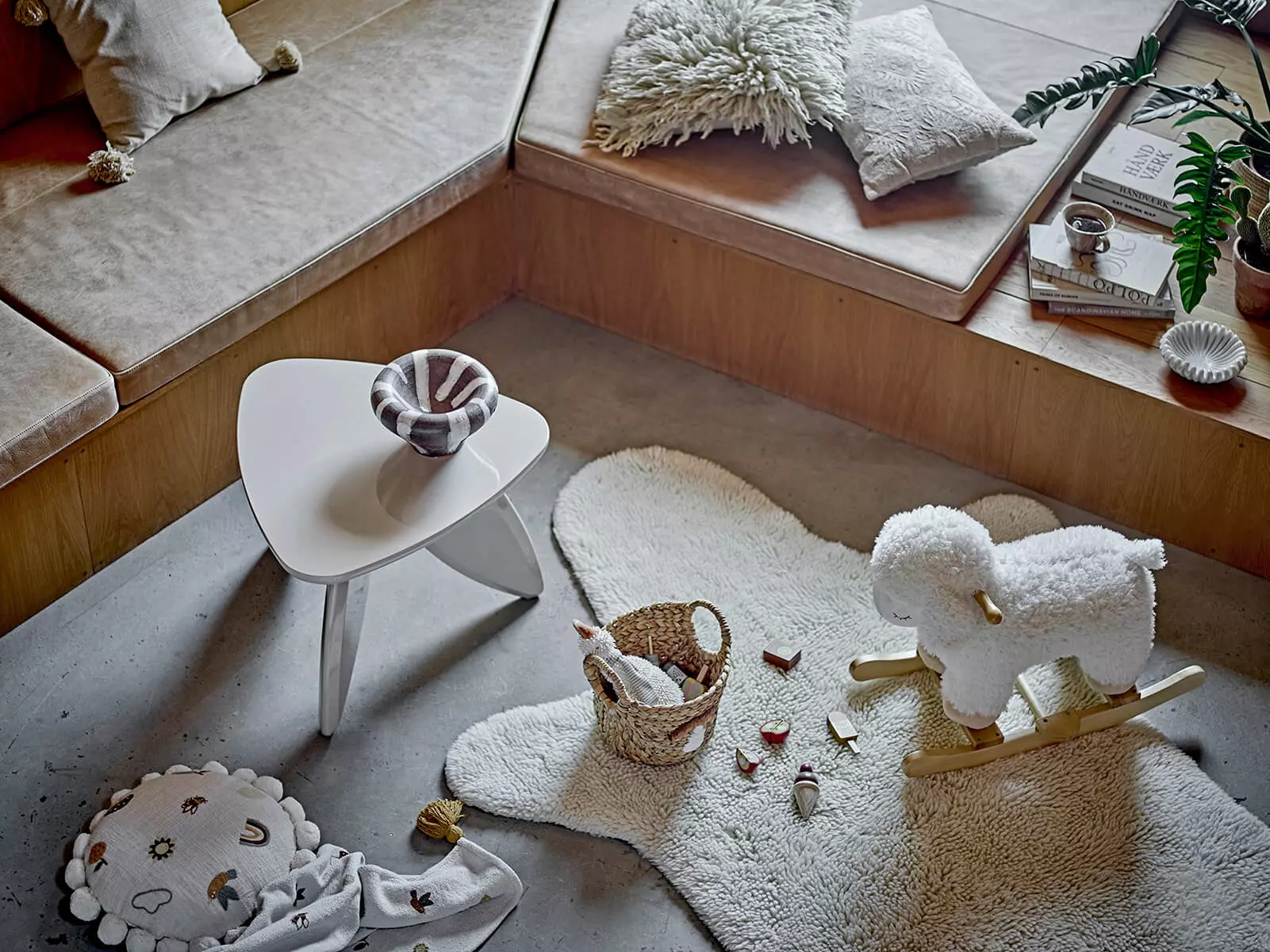
Sensorial Interior Design: When Your Home Speaks to All the Senses
For a long time, interior design focused mainly on the visual – colours, shapes, and lines. But one of the most exciting trends of 2025 is sensorial interior design: interiors that engage all the senses. This approach considers not only how a home looks, but also how it feels to the touch, the scents that surround us, the sounds that inspire us, and the light that shapes the atmosphere. A home becomes truly harmonious when it embraces every sense.
Why is a sensory interior important?
The atmosphere of a space isn’t defined only by how it looks, but by how it makes us feel. Soft textures calm, natural scents refresh, music gives rhythm to everyday life, and light can transform the perception of a room entirely. The essence of sensorial design lies in selecting these elements thoughtfully so they work together in balance.
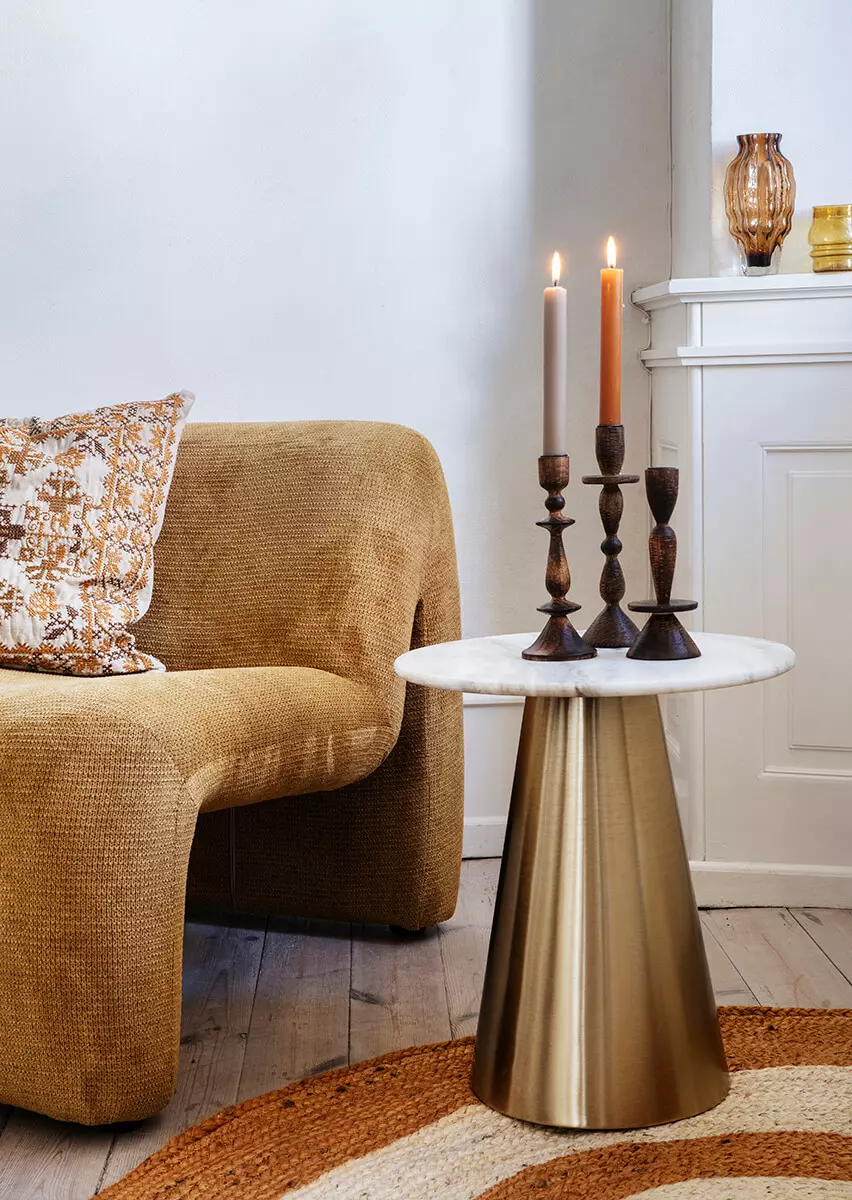
Textures worth touching
Soft wool rugs, natural linen cushions, or finely woven cotton throws are not only visually pleasing but also soothing to the touch. Layering different materials – like a wool pouf with a natural seagrass rug – adds character and a sense of cosiness to the space.

Scents that set the mood
A carefully chosen candle or essential oil diffuser can completely transform the feel of a room. Lavender relaxes, citrus energises, and vanilla fills the air with warmth. Our sense of smell is closely linked to memory and emotion – making scent a powerful way to create a unique atmosphere at home.
The role of music and silence
The right background music can calm, inspire, or energise. The simplicity of Scandinavian interiors pairs beautifully with gentle acoustic melodies or natural sounds – birdsong, waves, or forest whispers. But silence is just as important: a harmonious home leaves space for slowing down.

Light that shapes the room
Light is one of the most powerful mood-shaping tools. A pendant lamp with a textile shade creates soft, intimate lighting, while a dimmable lamp adapts to your mood and needs. And natural light is always the best ally – it strengthens the bond with the outdoors and breathes life into the home.

How to start creating sensorial design
You don’t need to transform your entire home – just a few thoughtful details can make a difference:
- Place a handwoven rug that feels wonderful under bare feet
- Choose a candle or diffuser that suits your mood
- Set up a music corner with a quality speaker
- Replace harsh lighting with warm-toned, dimmable bulbs
The goal of sensorial design is to make your home both inspiring and soothing – a place where every sense finds its own joy.
What about you? Which sensory element matters most in your home – soft textiles, scents, lighting, or mood-setting music?


 English
  Slovenian
  Dutch
Dutch  German
  Czech
Czech  Romanian
  Polish